Where it began
Every movement begins with a moment. For Shikshadwar Foundation, that moment came in 2012 — outside Jahangirpuri Metro Station in Delhi.
On his way to college, Manish Mandal, then a young student, noticed a small child begging outside the metro station. Like many passersby, he initially offered the child some money and gently encouraged him to go to school. The next day, he found the same child at the very same spot. It became painfully clear that charity alone could not change the child's future.
Rather than walking away, Manish chose to act. He contacted Childline 1098, reported the child's situation, and requested immediate intervention. Within a few days, the child was no longer seen at the station. Although he never discovered what became of the child, that encounter changed his life forever.
It revealed a profound truth: a child does not need sympathy alone — they need protection, education, opportunity, and someone willing to stand beside them until they can stand on their own.
That day, Manish made a promise to himself: after completing his education, he would dedicate his life to creating opportunities for children who had been denied the chance to dream.
Following his Bachelor of Commerce (Honours), he joined Shakti Vahini, serving with the Childline team in Gurugram. Working directly on child protection, rescue, counselling, and rehabilitation exposed him to the harsh realities faced by vulnerable children. At the same time, his expertise in finance enabled him to strengthen organizational systems, demonstrating that meaningful social impact depends not only on compassion but also on accountability, transparency, and sound governance.
Over the next decade, Manish served with respected development organizations, including Salaam Baalak Trust, TB Alert India, and Prayatna. Through these experiences, he built expertise in financial management, statutory and donor compliance, grant management, governance, project implementation, monitoring, and institutional development. Working closely with communities, governments, donors, and civil society reinforced one enduring belief: sustainable development is achieved when strong institutions empower people to transform their own lives.
Yet, despite professional growth and increasing responsibilities, the memory of the child outside Jahangirpuri Metro Station never faded. It remained a constant reminder that behind every statistic is a human story, and behind every social challenge is a child waiting for an opportunity.
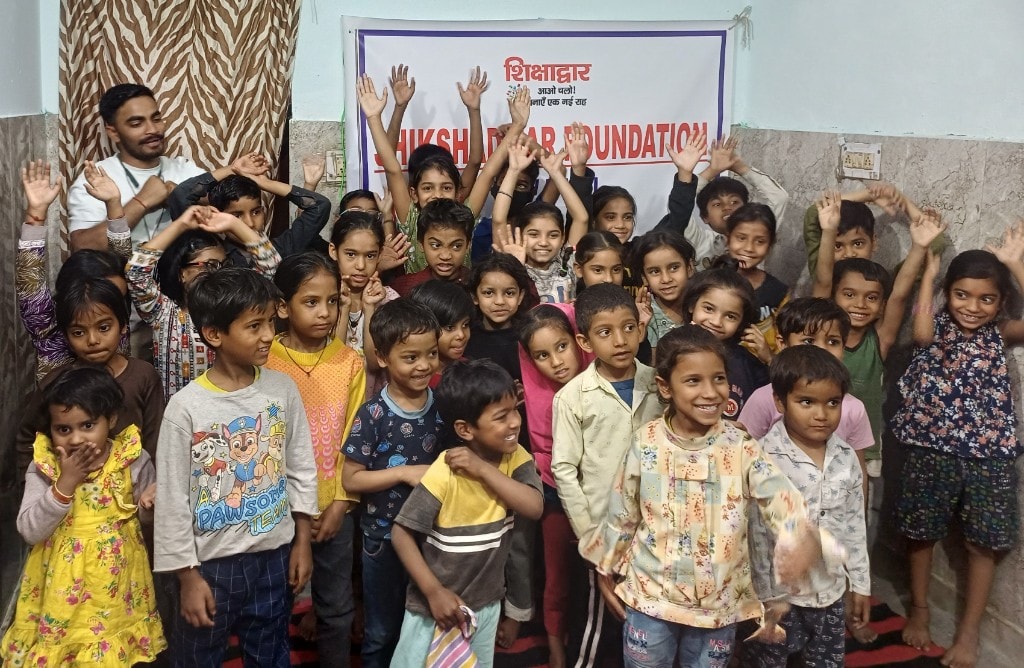
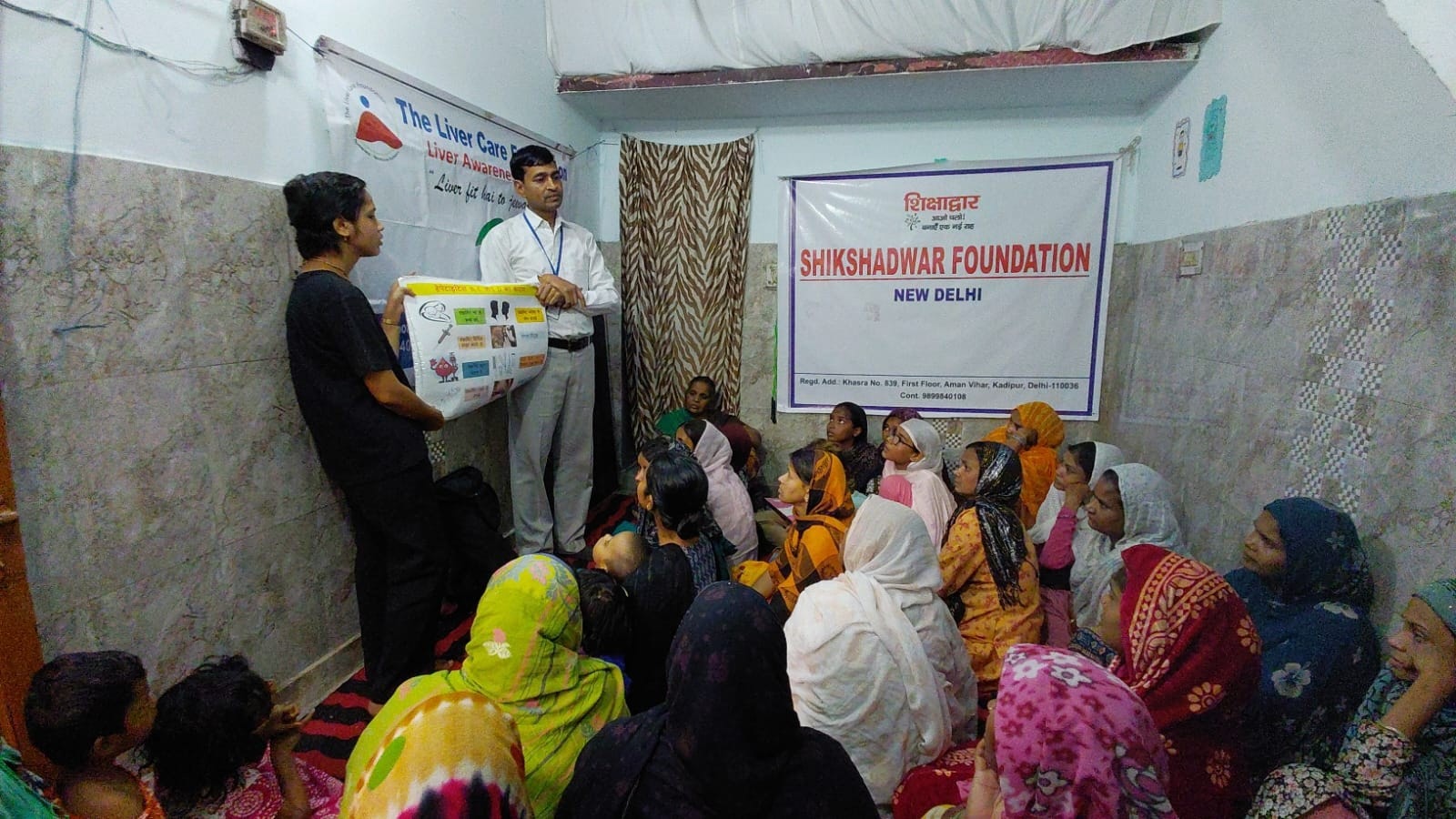
In 2025, that long-held vision became reality when Manish Mandal, together with Ms. Silky Aggarwal and Mr. Suraj Kumar Mandal, established Shikshadwar Foundation.
The Foundation was created with a simple but powerful conviction: education is not merely a service — it is the foundation upon which dignity, opportunity, equality, and sustainable development are built.
Today, Shikshadwar Foundation works to ensure that vulnerable children are identified, enrolled in school, and supported throughout their educational journey. The Foundation also equips youth with employable skills, empowers women through livelihood opportunities, promotes environmental sustainability, and strengthens communities through integrated development programmes.
Our approach goes beyond delivering services. We build pathways — from identification to education, from education to employability, and from employability to self-reliance. Every intervention is designed to create lasting impact by addressing the root causes of poverty, inequality, and social exclusion rather than their symptoms.
We believe that Corporate Social Responsibility is not only about funding projects; it is about creating lasting partnerships that transform lives and strengthen communities. By collaborating with corporations, institutions, government agencies, and individual supporters, we seek to develop scalable, transparent, and measurable solutions aligned with the United Nations Sustainable Development Goals (SDGs). Every programme is implemented with a strong focus on accountability, measurable outcomes, sustainability, and community ownership.
Donate
Every rupee is accounted for in our published annual reports.
Donate Now
